
Breathing exercises offer numerous benefits for both body and mind. They not only help reduce stress by calming the nervous system, but also improve focus, which can be crucial in our busy lives full of distractions. In addition, they promote better sleep by preparing the body for rest and increase lung capacity, which is essential for better physical fitness. By incorporating breathing techniques into your daily routine on a regular basis, you can enjoy improved overall health and well-being. Integrating breathwork into your daily life can therefore be an essential step toward a more balanced and healthier existence. Whether you find a few minutes during a busy day or incorporate a longer session into your evening routine, the impact of consistent breathing exercises can be significant.
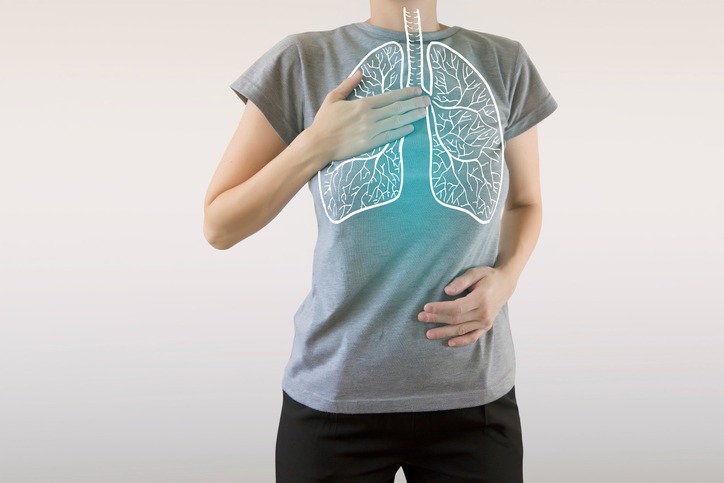
1. Diaphragmatic Breathing (Belly Breathing)
Deepening the breath can help reduce stress and improve overall health. Additionally, strengthening the diaphragm is essential for breathing more efficiently and increasing lung capacity, which can contribute to better athletic performance and improved endurance.
Steps:
- Sit or lie down comfortably.
- Place one hand on your chest and the other on your abdomen.
- Breathe in deeply through the nose, making sure the abdomen rises.
- Exhale slowly through the mouth, feeling the abdomen lower.
Duration: 5-10 minutes.
2. Box Breathing (Square Breathing)
Improving focus and relaxation is crucial for boosting productivity and well-being. In our hectic modern world, it can be easy to become overwhelmed by daily demands and pressures. However, through regular meditation sessions and mindfulness exercises, we can sharpen our concentration and reduce stress. These practices help us live more in the moment, allowing us to make more conscious choices and work more effectively. Ultimately, this leads to a better work-life balance, making us not only more productive but also more fulfilled in our daily lives. Integrating these techniques into our daily routine can yield significant benefits for both our mental and physical health.
Steps:
- Inhale for a count of 4.
- Hold your breath for a count of 4.
- Exhale for a count of 4.
- Hold your breath for a count of 4.
Repeat: 5-7 cycles.
3. Alternate Nostril Breathing (Nadi Shodhana)
Goal: Balance the nervous system and clear the mind.
Alternate nostril breathing, or Nadi Shodhana, is an ancient breathing technique used to harmonize the energy flows in the body. This exercise is known for its calming effects on both the body and the mind, making it an effective way to reduce stress and promote mental clarity. Regular practice of this technique can help achieve a deeper sense of inner peace.
Steps:
- Use the thumb and ring finger to alternately close one nostril.
- Inhale through the left nostril, close it, and then exhale through the right nostril.
- Inhale through the right nostril, close it, and then exhale through the left nostril.
Duration: 5-10 minutes.
4. 4-7-8 Breathing
Goal: Induce relaxation and promote sleep.
The 4-7-8 breathing technique is a simple yet powerful method that helps calm the nervous system and create a sense of tranquility. This technique can be especially useful for people who have difficulty falling asleep, as it helps relax the mind and promote a healthy breathing pattern.
Steps:
- Inhale through the nose for 4 seconds.
- Hold your breath for 7 seconds.
- Exhale slowly through the mouth for 8 seconds.
Repeat: 4-8 cycles.
5. Pursed-Lip Breathing
Goal: Improve oxygen flow and relieve shortness of breath.
Pursed-lip breathing is a simple technique that is often recommended for people with breathing problems, such as COPD, to increase the efficiency of breathing. This exercise helps regulate the airflow in the lungs, making it easier to breathe and improving oxygen exchange in the body.
Steps:
- Breathe in deeply through the nose.
- Exhale slowly through pursed lips, as if blowing out a candle.
Duration: 5 minutes or as needed.
6. Resonant Breathing (Coherent Breathing)
Goal: Achieve a calm and stable state by synchronizing the breath.
Resonant breathing, also known as coherent breathing, is a technique aimed at regulating the breath to achieve a sense of serenity and focus. This method is based on the idea that even, rhythmic breathing can help stabilize the heart rate and harmonize the nervous system. Many people find that resonant breathing not only helps manage stress but also promotes overall well-being by encouraging the body to work together efficiently.
Steps:
- Inhale for 5 seconds.
- Exhale for 5 seconds.
Duration: 10 minutes.
7. Lion's Breath (Simhasana)
Goal: Release tension and increase energy.
Lion's Breath, also known as Simhasana, is a powerful breathing technique that helps release built-up tension and increase energy. This exercise is frequently used in yoga classes and can have a liberating effect on both the body and the mind.
Steps:
- Breathe in deeply through the nose.
- Open the mouth wide, stick out the tongue, and exhale forcefully while making a roaring sound.
Repeat: 5-7 times.
8. Humming Bee Breath (Bhramari)
Goal: Relieve anxiety and improve focus.
Bhramari, or Humming Bee Breath, is a powerful breathing technique that helps calm the mind and reduce feelings of anxiety. Through the vibrations created during the exercise, this technique can also help increase concentration and mental clarity. Regular practice of Bhramari can create a sense of inner peace, which is especially useful in stressful situations.
Steps:
- Close your eyes and cover your ears with your fingers.
- Breathe in deeply.
- As you slowly exhale, make a humming sound as if imitating a bee.
Duration: 5 minutes.
9. Breath of Fire (Kapalabhati)
Goal: Energize and detoxify the body.
Breath of Fire, also known as Kapalabhati, is a powerful yogic breathing technique used to invigorate and purify the body. This technique promotes rapid, active breathing with a focus on forceful exhalations. Kapalabhati can help increase energy flow through the body and remove toxins.
Steps:
- Sit comfortably with a straight back.
- Breathe in deeply, then exhale forcefully through the nose in short bursts.
- Engage the abdominal muscles during active exhalations.
Duration: 1-3 minutes.
10. Progressive Relaxation Breathing
Goal: Combine deep breathing with muscle relaxation.
Progressive relaxation breathing is a technique that combines deep breathing with targeted muscle relaxation to achieve a state of complete rest. This method has proven effective in relieving stress and anxiety while simultaneously reducing body tension. By systematically paying attention to each part of the body, one can release tensions and experience a deeper connection between body and mind.
Steps:
- Breathe in deeply and focus on a muscle group, such as the feet.
- Exhale and release the tension in that area.
- Gradually move your focus upward through the body, targeting each muscle group.
Duration: 10-15 minutes.
In Conclusion
Regular practice of breathing techniques offers a wide range of benefits for both body and mind. These exercises can help reduce stress, improve focus, increase energy, and promote overall relaxation. It is important to choose a method that aligns with your personal goals, such as relaxation, boosting energy, or improving concentration. Consistency is the key to experiencing the long-term benefits. By regularly dedicating time to practicing these techniques, you can achieve a deeper sense of well-being and balance in daily life.
Frequently Asked Questions (FAQ)
1. How often should I practice breathing techniques?
The frequency of your breathing exercises depends on your personal goals and needs. For general relaxation and stress reduction, it is recommended to practice at least a few minutes every day. For specific techniques, such as energy-boosting exercises like Kapalabhati, you can do this every other day or even weekly, depending on your energy level and comfort.
2. Can everyone perform these breathing techniques?
Most people can safely perform these breathing techniques. However, if you have health issues such as severe respiratory problems, heart conditions, or other medical conditions, it is wise to consult your doctor first before starting. Some techniques are more intense and may not be suitable for everyone.
3. How long does it take before I see the benefits?
The benefits of regular breathing exercises can vary. Some people notice effects almost immediately, such as more relaxation or energy, while others experience improvements in their stress levels and concentration after a few weeks of consistent practice. Perseverance and consistency are essential for obtaining long-lasting benefits.
4. Do I need to take specific classes to learn these techniques?
Although many breathing techniques can easily be practiced at home using online resources or self-study, it can be helpful to take classes, especially if you are new to the technique. An instructor can provide direct feedback and personal guidance, allowing you to perform the techniques correctly and more effectively.
5. Can breathing techniques help with sleep problems?
Yes, many breathing techniques are useful for people with sleep problems. Techniques aimed at relaxation, such as progressive relaxation breathing or 4-7-8 breathing, can help calm the mind and promote a better night's rest. It is important to practice these exercises regularly to activate your parasympathetic nervous system.


