
Wim Hof Method, Wim Hof Breathing, Wim Hof Breathing Exercises
\nWim Hof, better known as "The Iceman," is a Dutch motivational speaker and extreme athlete. He has gained international fame through his impressive feats in cold conditions, including climbing Mount Everest in nothing more than shorts and shoes. Hof has written a book about his breathing techniques and cold exposure, in which he explores the science behind the Wim Hof Method. This method combines specific breathing exercises, cold training, and meditation to promote physical and mental health. The method has become popular worldwide in health and wellness communities, where people are looking for new ways to improve their well-being and develop stronger mental resilience.
\nWho is Wim Hof?
\nWim Hof, nicknamed "The Iceman", is a Dutch extreme athlete and motivational speaker, known for his exceptional ability to withstand extreme cold.
\n \nBackground:
\nWim Hof was born on April 20, 1959, in Sittard, Limburg, the Netherlands, as one of nine children in a Catholic family. From a young age, he showed interest in meditation, breathing techniques, and various cultures and religions, including Buddhism and Hinduism.
\nAchievements:
\nHof holds multiple world records that demonstrate his ability to withstand extreme cold. Some notable achievements include:
\n-
\n
-
\n
Swimming under ice: In 2000, he swam 57.5 meters under a layer of ice near Kolari, Finland.
\n
\n -
\n
Barefoot half marathon: On January 26, 2007, he ran a half marathon above the Arctic Circle in Finland, barefoot at temperatures between -20 and -30 degrees Celsius, with a time of 2 hours, 16 minutes, and 34 seconds.
\n
\n -
\n
Climbing Mount Everest: In 2007, Hof attempted to reach the summit of Mount Everest, wearing only shorts and sandals. Although he did not reach the summit due to frostbitten toes, he reached an altitude of 7,400 meters.
\n
\n
Inspiration behind the method:
\nIn 1995, Hof lost his wife, who died by suicide, leading to a period of intense grief. To cope with this loss, he began immersing himself in extreme cold and developed techniques to control his body and mind. These experiences led to the creation of the Wim Hof Method, a combination of breathing techniques, cold exposure, and mental focus, aimed at exploring and harnessing human potential.
\nWhat is the Wim Hof Method?
\nThe Wim Hof Method (WHM) is a holistic approach developed by Dutch extreme athlete Wim Hof, aimed at improving both physical and mental health. The method is built around three core principles: breathing techniques, cold exposure, and mindset/commitment.
\n1. Breathing Techniques:
\nThe WHM includes specific breathing exercises aimed at increasing the oxygen level in the body. These controlled breathing techniques can lead to more energy, stress reduction, and a strengthened immune response.
\n2. Cold Exposure:
\nGradual exposure to cold, such as cold showers and ice baths, forms an essential part of the WHM. This practice can yield numerous health benefits, including the buildup of brown adipose tissue, reduction of inflammation, strengthening of the immune system, balanced hormone levels, and improved sleep quality.
\n3. Mindset/Commitment:
\nThe third pillar of the WHM emphasizes the importance of mental focus and commitment. Both the breathing exercises and cold exposure require patience and consistency to be fully mastered and integrated into daily life. With the right mindset, individuals can explore and ultimately master their body and mind.
\nSynergy of the three pillars:
\nWhen these three elements are applied together, they can positively influence the autonomic nervous system and the immune system. The combination of controlled breathing, cold exposure, and mental focus can lead to improved physical performance, increased mental clarity, and an overall sense of well-being. By integrating these pillars into daily life, individuals can tap into their inner strength and unlock their full potential.
\nWim Hof Breathing Exercises
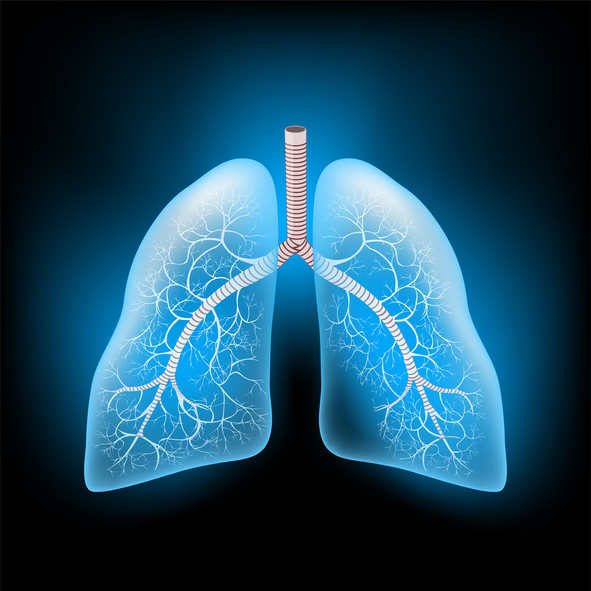
\nThe breathing technique of Wim Hof is a core component of the Wim Hof Method, aimed at optimizing both physical and mental health. This technique consists of specific steps that combine controlled hyperventilation and breath retention, leading to various physiological benefits.
\nSteps in the Breathing Technique:
\n-
\n
-
\n
Comfortable Position: Sit or lie down in a safe and comfortable environment.
\n
\n -
\n
Deep Inhalations: Breathe in powerfully through the nose or mouth, fill the lungs completely, and feel the expansion in the abdomen and chest.
\n
\n -
\n
Relaxed Exhalations: Release the air without force, without needing to complete the exhalation fully.
\n
\n -
\n
Repeat the Cycle: Perform 30 to 40 of these deep inhalations and exhalations.
\n
\n -
\n
Breath Retention: After the last exhalation, hold your breath for as long as comfortable, without inhaling.
\n
\n -
\n
Recovery Breath: When the urge to breathe becomes strong, take a deep breath in, hold for 15 seconds, and then exhale.
\n
\n -
\n
Repeat the Round: Perform 3 to 4 rounds of this cycle.
\n
\n
Importance of Controlled Hyperventilation and Breath Retention:
\nControlled hyperventilation increases the oxygen level in the blood and lowers the carbon dioxide level. This process, followed by breath retention, can lead to a shift in the pH value of the blood, making it more alkaline. This combination can influence the autonomic nervous system and contribute to a feeling of calmness and increased focus.
\nPhysiological Effects:
\n-
\n
-
\n
Blood Alkalinization: The breathing technique can increase the pH value of the blood, which can help reduce inflammation.
\n
\n -
\n
Increased Oxygen Levels: Through deep breathing, oxygen uptake increases, which can lead to more energy and improved physical performance.
\n
\n -
\n
Stress Reduction: The combination of breathing and breath retention can activate the parasympathetic nervous system, which helps reduce stress and promote relaxation.
\n
\n
Tips for Beginners to Practice Safely:
\n-
\n
-
\n
Safe Environment: Perform the exercises in a quiet environment, sitting or lying down, and avoid doing the exercises while driving or in water.
\n
\n -
\n
Listen to Your Body: If you feel dizzy or unwell, stop the exercise and only resume when you feel better.
\n
\n -
\n
Consistency: Start with one session per day and gradually increase as you become more comfortable with the technique.
\n
\n -
\n
Hydration: Make sure you are well hydrated before and after the exercises.
\n
\n
By following these steps and precautions, beginners can safely integrate the Wim Hof breathing technique into their daily routine and experience its potential benefits.
\nBenefits of the Wim Hof Method
\nThe Wim Hof Method (WHM) offers a range of benefits for both the body and the mind. Below, the physical and mental benefits are discussed in detail, supplemented with practical examples and testimonials.
\nPhysical Benefits:
\n-
\n
-
\n
Improved Immune Response: Research has shown that practicing the WHM can lead to a strengthening of the immune system. This results in increased production of anti-inflammatory mediators, which helps fight infections and reduce inflammation.
\n
\n -
\n
Increased Energy and Endurance: Regular application of the breathing techniques and cold exposure within the WHM can lead to an increase in energy and improved endurance. This is especially beneficial for athletes and people who want to optimize their physical performance.
\n
\n -
\n
Reduced Inflammation and Faster Recovery: The WHM has anti-inflammatory effects, which can contribute to faster recovery after physical exertion and the reduction of chronic inflammation. This is especially useful for people with inflammation-related conditions.
\n
\n
Mental Benefits:
\n-
\n
-
\n
Reduced Anxiety and Depression: Practicing the WHM can lead to a decrease in symptoms of anxiety and depression. The combination of breathing exercises, cold exposure, and mental focus contributes to improved emotional well-being.
\n
\n -
\n
Improved Focus and Mental Clarity: The breathing techniques within the WHM promote increased concentration and mental clarity, which can lead to improved cognitive performance and productivity.
\n
\n -
\n
Better Stress Management: By practicing the WHM, individuals can better cope with stressful situations. The method helps regulate the stress hormone cortisol, which contributes to a calmer mind and a more balanced emotional life.
\n
\n
Practical Examples and Testimonials:
\n-
\n
-
\n
Experience of a Practitioner: A participant in the WHM reported that since starting the method, he follows weekly cold training and does the breathing exercises daily via the WHM app. As a result, he feels more energetic and has fewer unhealthy eating habits.
\n
\n -
\n
Improved Hay Fever Symptoms: Another practitioner indicated that by consciously breathing according to the WHM, he hardly suffers from hay fever and shortness of breath anymore.
\n
\n
These testimonials illustrate the positive impact that the Wim Hof Method can have on both physical and mental health. However, it is important to note that individual experiences may vary and that it is advisable, especially with health issues, to consult a professional before starting the method.
\nCold Exposure: Facing the Ice
\nThe Science Behind Cold Water Immersion and Its Influence on the Body:
\nCold water immersion, as practiced in the Wim Hof Method, has several physiological benefits. It involves exposure to cold water, such as cold showers and ice baths, which can have powerful effects on the body.
\n-
\n
-
\n
Activation of Brown Fat: When exposed to cold temperatures, the brown fat in our body is activated. Unlike white fat, brown fat produces heat by burning calories, which can help with weight management and improving overall metabolic health.
\n
\n -
\n
Improved Circulation and Cardiovascular Health: Regular cold exposure stimulates blood circulation by alternately constricting and dilating blood vessels. This can lead to improved circulatory flow and enhanced cardiovascular health.
\n
\n -
\n
Endorphin Release and Mood Improvement: Cold exposure promotes the release of endorphins, the so-called "happiness hormones," which can contribute to an improved mood and reduced symptoms of depression and anxiety.
\n
\n
Step-by-Step Guide to Starting Cold Showers and Progressing to Ice Baths:
\n-
\n
-
\n
Cold Showers: Start with the last 30 seconds of your daily shower to switch to cold water. Gradually extend the length of cold exposure each day.
\n
\n -
\n
Extending the Cold Time: Increase the duration of your cold shower in 10-second intervals each week until you are comfortable with a full cold shower.
\n
\n -
\n
Preparation for Ice Baths: Once you have gotten used to cold showers, start scheduling shorter sessions in an ice bath of about 1-2 minutes.
\n
\n -
\n
Extending Ice Bath Sessions: As your comfort level increases, you can gradually extend your ice bath sessions to a maximum of 10 minutes, depending on your own tolerance.
\n
\n
Safety Considerations: Who Should Avoid This Practice?
\nAlthough cold water can offer many benefits, it is not suitable for everyone. Individuals with cardiovascular conditions, hypertension, or serious health conditions should be more cautious and consult a health professional before starting cold water therapy. Pregnant women or people with certain medical conditions should be extremely cautious and potentially avoid this practice without medical advice. Safety comes first, and it is important to listen to your body and gradually build up cold water exposure to get the most benefit without risks.
\nScientific Research on the Wim Hof Method
\nThe Wim Hof Method (WHM) has received considerable scientific attention in recent years due to its remarkable effects on the body and mind. Here are some important findings from studies that support the effectiveness of the method:
\nStudies Confirming the Effectiveness of the Method
\nEffects on the Immune System and Inflammation
\n-
\n
-
\n
Research conducted by Radboud University in the Netherlands showed that practicing the WHM can significantly influence the immune system.
\n
\n -
\n
Participants who applied the breathing techniques and cold exposure produced more anti-inflammatory substances such as interleukin-10.
\n
\n -
\n
This led to a reduced inflammatory response to endotoxins administered during the study.
\n
\n
Influence on Stress Hormones and Mental Health
\n-
\n
-
\n
The WHM was found to have a positive effect on the regulation of the stress hormone cortisol.
\n
\n -
\n
Regular practice of the breathing techniques helps influence the autonomic nervous system, leading to an improved stress response and a feeling of calmness.
\n
\n -
\n
People with anxiety disorders and depressive symptoms have benefited from the WHM, as demonstrated by various case studies.
\n
\n
Collaboration with Scientists and Universities
\n-
\n
-
\n
Wim Hof has actively collaborated with scientists and institutions such as Radboud University and the University of Amsterdam.
\n
\n -
\n
These collaborations have led to publications in renowned journals such as Proceedings of the National Academy of Sciences (PNAS).
\n
\n -
\n
Through his openness to scientific research, Wim Hof has helped bridge the gap between alternative health methods and academic research.
\n
\n
Criticism and Controversies
\nThe Wim Hof Method (WHM) has received much attention worldwide, but is also a subject of criticism and controversy. It is essential to understand and address these concerns.
\nAddressing Skepticism and Criticism
\nWhile the Wim Hof Method has many admirers, there are also skeptics who question the effectiveness and safety of the practice. This criticism mainly focuses on the lack of long-term scientific studies and the potential risks for certain individuals.
\nConcerns About Safety and Exaggeration
\nCritics express concern about the safety of the WHM, especially when applied incorrectly. There have been reports of incidents, including drownings, associated with the method.
\nAdditionally, the effectiveness of the method is sometimes considered exaggerated, with claims that are not always fully scientifically substantiated.
\nImportance of Personal Research and Medical Advice
\nBefore starting the WHM, it is crucial to conduct thorough personal research and seek professional medical advice, especially for people with existing health problems. This helps to apply the method safely and effectively.
\nWim Hof's Responses to His Critics
\nWim Hof has responded to criticism by emphasizing the importance of safety and encouraging users to apply the method correctly. He has also collaborated with scientists to investigate and validate the effectiveness of his method.
\nBy taking these concerns seriously and taking appropriate precautions, practitioners can experience the benefits of the Wim Hof Method in a safe and responsible manner.
\nHow to Start with the Wim Hof Method
\nThe Wim Hof Method (WHM) is a holistic practice developed by Dutch extreme athlete Wim Hof. This method combines specific breathing exercises, gradual cold exposure, and mental focus to promote both physical and mental health. To start with the WHM, follow these steps:
\n1. Understand the Three Pillars of the Wim Hof Method:
\n-
\n
-
\n
Breathing Exercises: Perform controlled breathing techniques to increase oxygen uptake and influence the autonomic nervous system.
\n
\n -
\n
Cold Exposure: Gradually expose your body to cold, for example through cold showers or ice baths, to improve blood circulation and build resilience.
\n
\n -
\n
Commitment: Develop mental focus and determination to practice the method consistently and achieve desired results.
\n
\n
2. Learn the Breathing Technique:
\nThe WHM breathing exercise involves cycles of deep inhalations and exhalations, followed by breath retention. A basic guide:
\n-
\n
-
\n
Position: Sit or lie in a comfortable, safe environment.
\n
\n -
\n
Breathing Cycle:
\n
\n -
\n
Adem diep in door je neus of mond, vul je longen volledig.
\n
\n -
\n
Adem passief uit, laat de lucht natuurlijk ontsnappen.
\n
\n -
\n
Herhaal dit 30-40 keer.
\n
\n -
\n
Breath Retention:
\n
\n -
\n
Na de laatste uitademing, houd je adem in zolang als comfortabel is.
\n
\n -
\n
Wanneer je de drang voelt om te ademen, adem dan diep in en houd 15 seconden vast voordat je uitademt.
\n
\n -
\n
Repetition: Complete 3-4 rounds of this cycle.
\n
\n
-
\n
-
\n
Please note: It is normal to feel light-headed or experience tingling during this exercise. Always perform the breathing exercises in a safe environment, sitting or lying down, and never while driving or in the water.
\n3. Integrate Cold Exposure:
\nStart with gradual cold exposure to let your body adapt:
\n-
\n
-
\n
Cold Showers: Start with your usual warm shower and end with 15-30 seconds of cold water. Gradually extend the duration as you become more comfortable.
\n
\n -
\n
Ice Baths: Once you are used to cold showers, you can transition to ice baths, provided you follow the proper guidelines and safety measures.
\n
\n
4. Develop Mental Focus and Commitment:
\nConsistency is essential to experience the benefits of the WHM.
\n-
\n
-
\n
Mindfulness: Integrate meditation or mindfulness practices to improve mental clarity and focus.
\n
\n -
\n
Routine: Set aside daily time to practice the breathing exercises and cold exposure.
\n
\n
5. Make Use of Available Resources:
\nTo deepen your understanding and practice:
\n-
\n
-
\n
Official Website: Visit the Wim Hof Method website for comprehensive information and resources.
\n
\n -
\n
Mobile App: Download the WHM app for guided exercises and tracking your progress.
\n
\n -
\n
Workshops and Courses: Consider attending workshops or taking online courses led by certified instructors to ensure proper technique and safety.
\n
\n
By following these steps, you can embark on a journey to improve your physical and mental well-being with the Wim Hof Method. Always listen to your body, practice safely, and consult health professionals when needed.
\nIn Conclusion
\nThe Wim Hof Method offers a powerful approach to improving both physical and mental health, through its unique combination of breathing techniques, cold exposure, and mental focus. Practitioners report benefits such as increased energy, improved focus, and enhanced resistance to stress. The transformative potential of the method can contribute to a sense of overall well-being and inner strength.
\nWhile the benefits are promising, it is important to approach the method with care and listen carefully to the signals of your body. Seeking medical advice and consulting professionals, especially if there are existing health problems, is essential to ensure safety. We encourage readers to explore the Wim Hof Method and discover its potential benefits, within the limits of their own physical capabilities and under proper guidance.
\nFrequently Asked Questions About the Wim Hof Method
\n1. Is the Wim Hof Method safe for everyone?
\nWhile many people have experienced the benefits of the Wim Hof Method, it is important to be cautious, especially for people with existing health problems such as heart or respiratory issues. It is strongly recommended to seek professional medical advice before starting the method.
\n2. How long does it take before I see results?
\nThe time needed to see results can vary per individual. Some practitioners report improvements in their energy level and focus within a few weeks, while others may need longer to experience the benefits. Consistency and commitment to the method are crucial for achieving results.
\n3. Can I use the method while exercising?
\nYes, the breathing exercises and mental focus of the WHM can be useful during sports activities, but it is important to perform the exercises safely and outside of water environments. Avoid performing breathing exercises during intense exertion without experience and guidance.
\n4. Do I need to take cold showers daily?
\nDaily cold showers can be beneficial, but it is essential to listen to your body and do it at your own pace. Start with shorter exposure and gradually increase the duration as you feel comfortable.
\n5. What should I do if I feel uncomfortable during the exercises?
\nIf you feel uncomfortable or experience unusual symptoms during the breathing exercises or cold exposure, stop immediately and consult a doctor. It is essential to perform the exercises in a safe environment and listen carefully to your body.


