
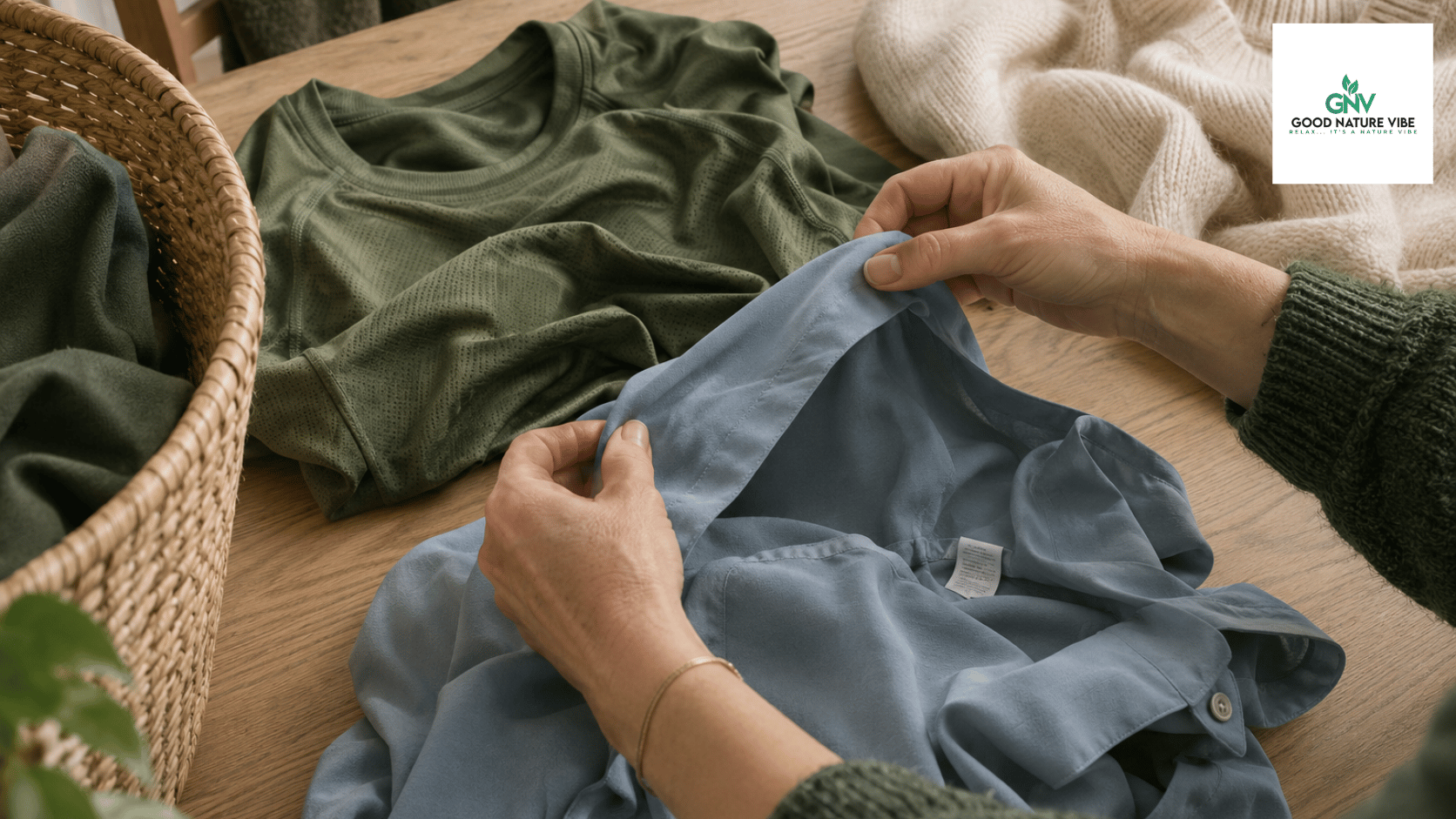
Washing synthetic clothes starts with the care label. Sort garments by colour, soiling and permitted treatment, then choose a programme that suits the whole load. Check drying instructions before pressing start. The fibre name and the machine’s synthetic wash setting are useful clues, but you also need the garment instructions and programme chart.
A polyester blouse, sports top and mixed-fibre jumper may need different care. This checklist helps you decide what can go together, which settings to check and when to keep an item separate.
Your synthetic wash checklist
Before starting, check the following.
- Read each care label and any additional written instructions.
- Compare colours, soiling and permitted washing treatments.
- Check pockets, fastenings and visible stains.
- Find a suitable programme in your machine’s manual.
- Check temperature, spin options and programme load capacity.
- Choose and dose detergent according to its instructions.
- Decide which garments need hanging, flat drying or permitted tumble drying.
- Check the result and let clothes dry fully before storing them.
For familiar garments, refer to instructions you have already checked. Revisit them when you change machines, consider a different treatment or cannot remember the drying advice. A photograph saved with the garment’s product name can make the information easier to find later.
1. Start with the finished garment
Polyester, polyamide and acrylic are examples of synthetic fibres. Clothing can also combine several fibres. The care instructions apply to the finished item, including its lining, print, trims and construction.
That is why two garments with similar fibre percentages may have different labels. Check the instructions on both a lined jacket and a simple top before deciding whether they can share a wash.
Place unfamiliar items to one side while you check their instructions. Look for both the fibre composition and the permitted treatment. Check the reverse of the label for any additional wording.
If polyester is your main concern, our guide to how to wash polyester explains the programme, temperature and drying decisions in more detail.
For this checklist, concentrate on assembling a compatible load. Start with the clothes in front of you and compare their individual care requirements.
2. Read the label before sorting
GINETEX’s care-symbol guidance, consulted in 2026, explains that a number inside the wash tub is the maximum washing temperature. One bar beneath it calls for a mild process. Two bars call for a very mild process.
A label showing 30 and one bar therefore combines a temperature limit with a treatment requirement. Check the machine manual for a programme that provides mild wash action at no more than 30°C.
A crossed-out wash tub means the garment must not be washed. Follow any hand-wash instruction and additional temperature guidance. If you are considering a machine’s hand-wash programme, check whether the garment manufacturer permits that treatment.
Read written additions too, including instructions to wash separately or inside out. Our guide to washing symbols and their meaning explains the individual symbols.
What if the label is missing?
Search using the brand, product name and article number. Make sure any instructions belong to your exact garment. A similar-looking item may have a different lining or finish.
If you cannot identify the instructions, contact the manufacturer. For a delicate or valuable garment, ask a professional textile cleaner for advice before choosing a treatment.
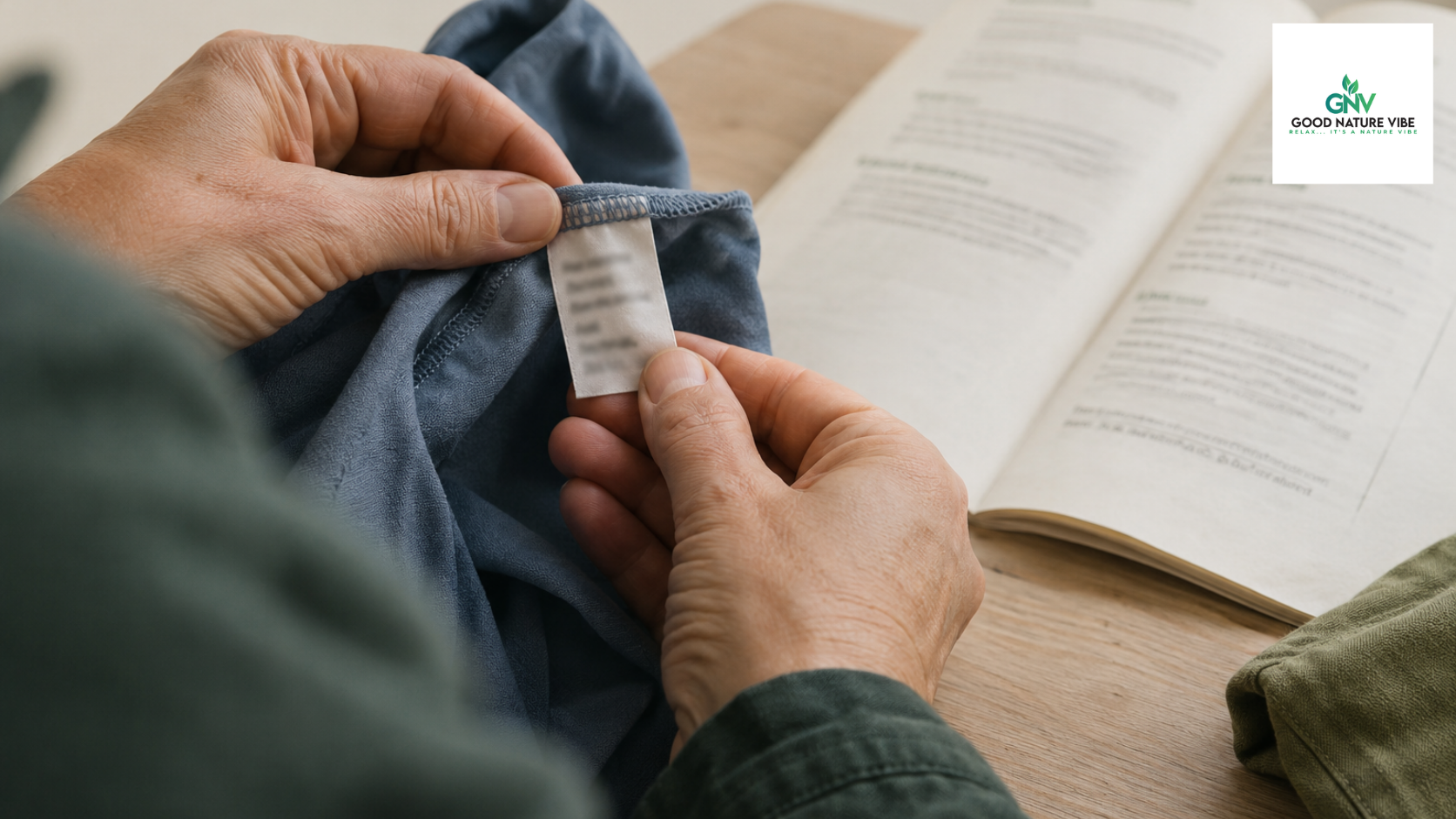
3. Sort for a compatible treatment
Start by looking for items that can share one appropriate process. AEG’s laundry guidance, consulted in 2026, advises sorting by colour and considering soiling. Check each garment for separate-washing instructions before adding it to the load.
Ask three practical questions.
- Do the colours and separate-washing instructions allow these items to share a load?
- Can they tolerate the same treatment?
- Is that treatment suitable for their level of soiling?
A lightly worn blouse and visibly muddy sportswear may need different attention. Compare their labels and the cleaning required before deciding whether washing them together makes sense.
Drying differences require a separate decision. Garments may be compatible for washing but need different treatment afterwards. Identify those items before starting.
For example, make a note that a particular top must go onto the flat rack. Prepare that space before the wash begins so you know where to put the garment when it comes out.
4. Prepare pockets, details and stains
Check pockets for objects and follow the instructions for fastenings, removable parts and turning garments inside out. Read any additional advice for prints or special finishes.
For a visible stain, check the garment’s restrictions alongside the stain-treatment instructions. Choose a product intended for the relevant fabric and stain. Follow any direction to test an inconspicuous area first.
Use the stated amount and contact time. Record the product and treatment if you need advice about a persistent mark later.
If the permitted treatment is unclear, contact the garment manufacturer or product supplier with a description of the stain, the fabric and any treatment already used. Keep the packaging available so you can give the product’s full name.
5. Understand the synthetic wash setting
A synthetic wash is a programme intended for the types of laundry listed in your machine’s instructions. Compare its description with the permitted treatment on each garment.
An AEG English-language manual checked in 2026 lists 8 kg for Cottons, 3 kg for Synthetics and 2 kg for Delicates. A separate AEG manual lists an Outdoor programme with its own instructions. The source list identifies both documents.
These examples show why you need the programme chart for your model. Look up its dry-laundry capacity, then check whether any selected option changes the recommended load.
Use this setting check.
| Setting | Question to answer |
|---|---|
| Programme | Does its treatment suit every garment? |
| Temperature | Is it within each care-label limit? |
| Spin | Is the option suitable for the garment and programme? |
| Load | What dry-laundry capacity does this programme allow? |
| Extras | Are shortening, prewash or other options appropriate? |
Is a quick wash suitable?
Check the intended load and soiling in the programme description. Compare those details with the clothes you want to wash.
If the quick cycle is intended for a small, lightly soiled load, check its capacity and treatment before using it for stained garments. Look up any limits that apply when you select a time-saving option.
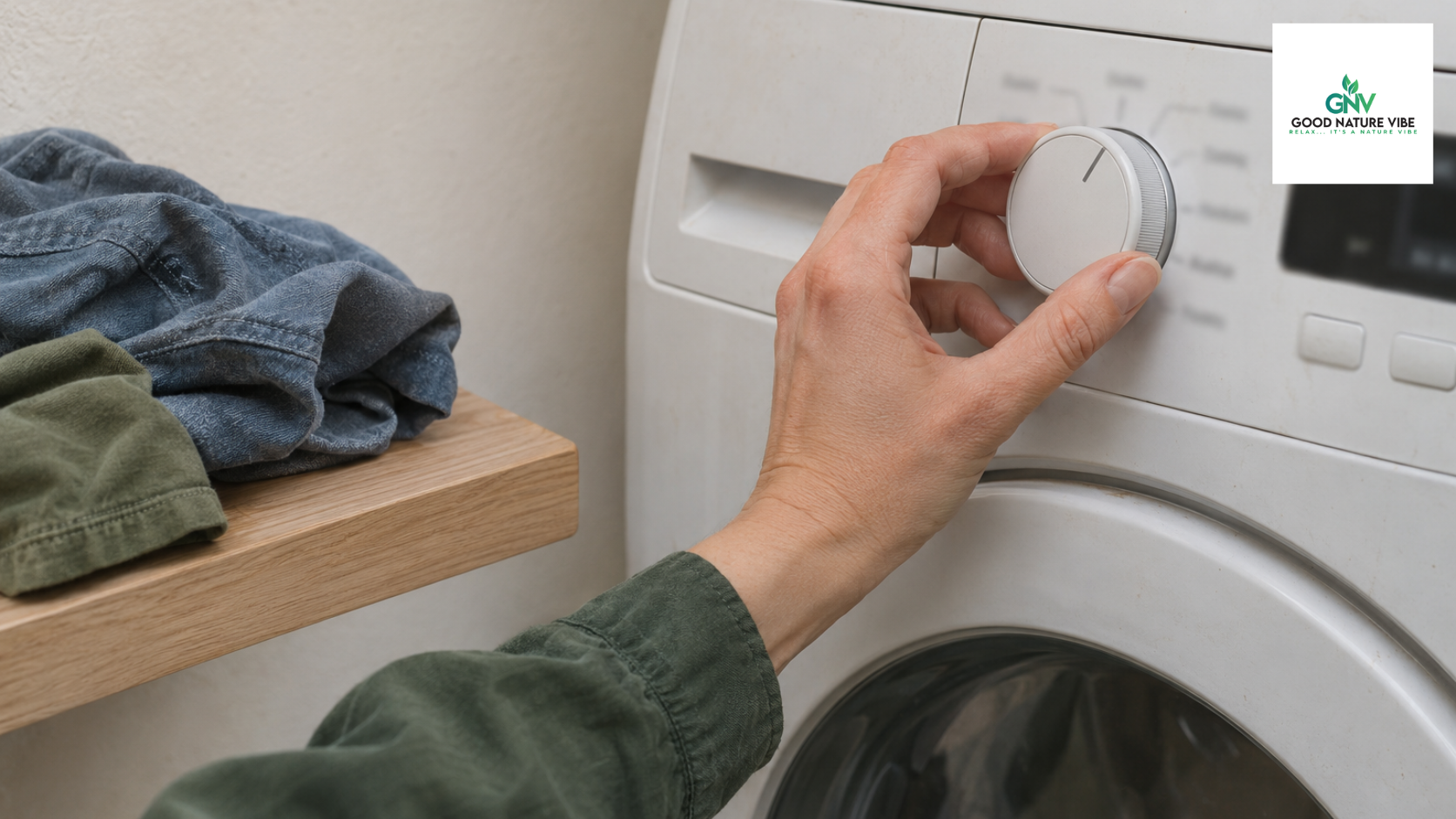
6. Choose temperature from the care instructions
Check the label, the cleaning required, the detergent instructions and the programmes your machine offers. Use those details to choose a temperature for the particular load.
Imagine that one garment permits a maximum of 30°C and another a maximum of 40°C. A shared wash cannot exceed the lower limit. You still need to check whether an appropriate process at that temperature will suit both.
If their needs do not align, regroup the laundry. Keep an uncertain item aside while you look up its instructions.
For a sports top with a persistent smell, begin with the actual care advice and permitted cleaning options. Check the programme, load and detergent dose before deciding which part of the process to change.
What does a lower temperature mean for electricity?
GINETEX reported in 2022 on Testex laboratory work that changing from 40°C to 30°C could reduce washing electricity consumption by approximately 30% under the investigated conditions.
The study considered variables including programme settings and full versus half loads, defined as 7 kg and 3.5 kg. Its results describe the tests performed. The saving for your machine depends on the programme and conditions of use.
The study does not establish that every garment will be cleaned adequately at 30°C. It also does not quantify the complete environmental impact of owning and washing that garment.
Choose a lower setting when it suits the laundry and required cleaning. To assess an environmental claim about a washing method, check what was measured and which conditions were compared.
7. Check detergent, dosing and fabric conditioner
Read the detergent packaging alongside the clothing instructions. Check suitability, dosing guidance and any restrictions relevant to the fabric.
Bosch UK’s detergent guidance, consulted in 2026, identifies water hardness as a dosing consideration. Match the amount to the product’s instructions for your load and soiling.
Use the measuring method specified on the packaging. If you change detergent, check its concentration and dosing table before measuring out the next wash. If your machine doses automatically, check its setup instructions when changing products.
Fabric conditioner is a separate choice. The Outdoor programme in the second AEG manual excludes fabric conditioner and instructs users to avoid conditioner residue in the dispenser.
Check both your garment’s advice and your own machine’s manual. If instructions appear to conflict, ask the relevant manufacturer before adding the product.
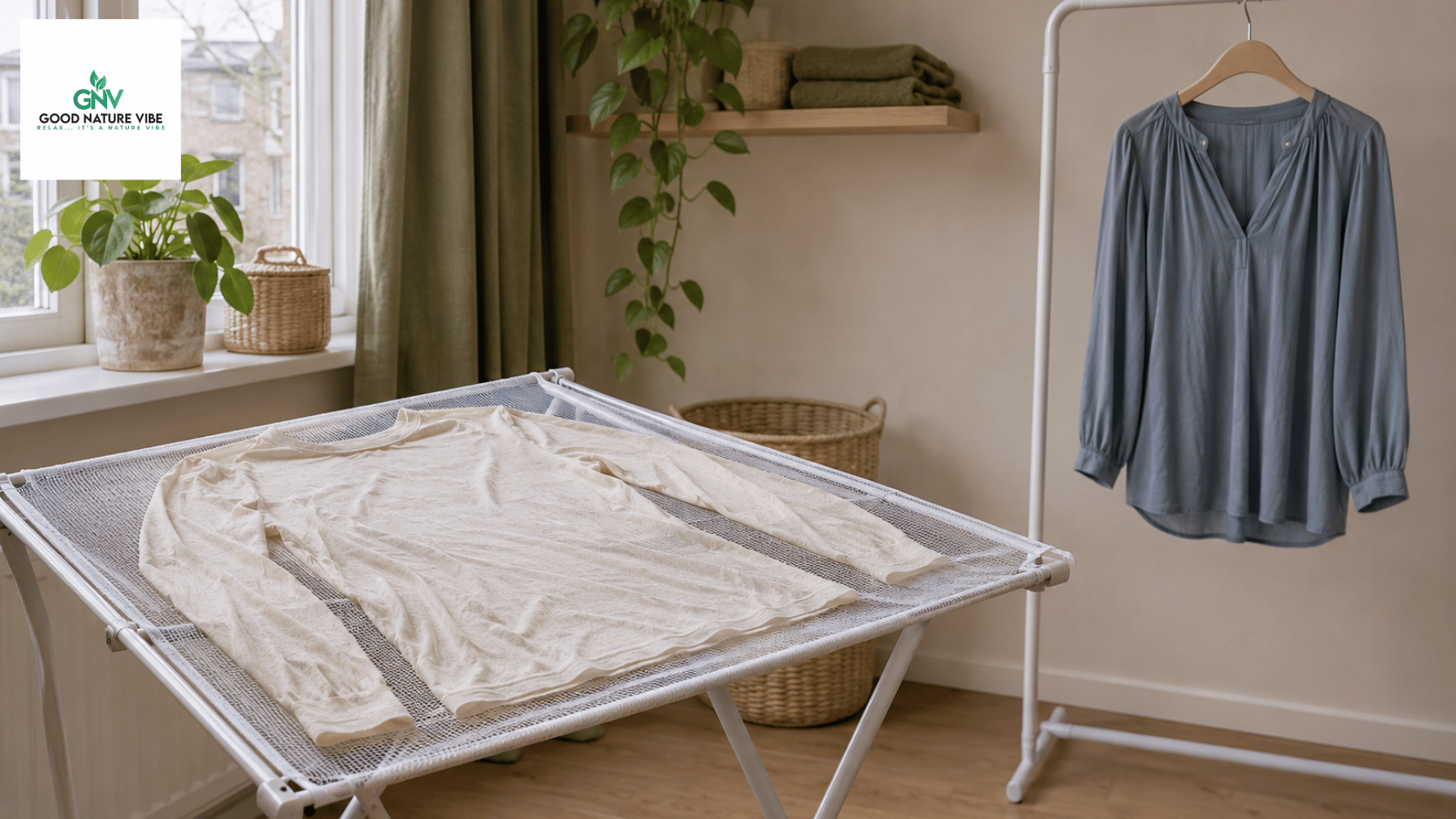
8. Plan drying before the wash finishes
Decide whether you need a hanger, flat drying space or a permitted tumble-dryer setting. Clothes washed together can follow different drying routes.
Check each garment’s drying instructions separately. Follow any specified position or shade requirement, and look up an unfamiliar symbol before hanging the item.
Where tumble drying is allowed, select a process compatible with the garment and your appliance instructions. If the garment’s label prohibits tumble drying, follow its air-drying instructions.
For a washer-dryer, check whether the selected cycle automatically continues into drying. Choose a wash-only option first if you need to separate the load afterwards.
Let clothing dry fully before folding and storing it. Follow any shaping instructions, and check ironing advice separately if needed.
A worked example: three garments, three decisions
This invented example shows how to apply the checklist. Use your own labels and machine manual when choosing settings.
- A blouse requires a mild wash at a maximum of 30°C and flat drying.
- A top permits washing at a maximum of 40°C but says to wash separately.
- A technical jacket has its own detergent and maintenance instructions.
Keep the top separate because of its explicit instruction. Check the jacket’s requirements before choosing its treatment. Find a compatible mild process for the blouse.
The basket therefore produces three separate decisions. Another basket may contain several compatible items. Compare the instructions for each garment before adding it to a group.
Save a label photograph and your checked settings for frequently worn clothes. Include the machine model so the note remains understandable if you replace the appliance. Review the note before using a different programme or detergent.
Check the result before changing everything
After washing, inspect any treated marks and separate garments according to their drying instructions. If a problem recurs, review your original choices first.
Was the programme appropriate? Did the load fit its limit? Did you follow the detergent instructions? Describe the answers when contacting the clothing manufacturer or appliance support.
A clean result tells you about the visible outcome. Claims about reduced fibre release or lower overall environmental impact need suitable measurements and a meaningful comparison.
If you keep a note, record the programme, temperature, load and product used. That gives you useful details to discuss if the same problem happens again.
Frequently asked questions
Which programme should I use for washing synthetic clothes?
Choose a programme whose treatment, temperature and load limit suit every garment in the load. Check your washing machine’s programme chart.
Must synthetic clothes always be washed at 30°C?
No. Follow the care-label limit and choose a temperature that also suits the soiling, detergent and selected programme.
Can synthetic clothes be washed with cotton?
They can share a load when their colours, soiling and care instructions suit one appropriate washing process. Fibre names alone do not determine compatibility.
Can I use fabric conditioner on synthetic clothes?
Check the garment and machine instructions. Some technical garments and programmes exclude fabric conditioner, so it should not be added automatically.
Can synthetic clothes go in the tumble dryer?
Only when their care instructions permit it. Also check the allowed drying process and the suitable setting for your dryer.
Good Nature Vibe: information you can check
Good Nature Vibe’s English quality page, consulted in 2026, explains that laboratory documentation is mentioned only when available, relevant and traceable to the product or batch.
Customers can request available documentation using the product name and, where possible, the batch number. The brand says it will explain what is available and identify information that is still missing.
Apply the same attention to the information relevant to your clothes. Check the garment label, appliance manual and detergent packaging together. Further background articles are collected in the Toxins & Environmental Influences category.
Conclusion
When washing synthetic clothes, choose a compatible load before selecting settings. Check the labels, programme chart and detergent instructions, then plan drying separately.
For your next wash, start with one unfamiliar garment. Confirm its treatment, temperature limit and drying instructions before deciding which load it belongs in.


