
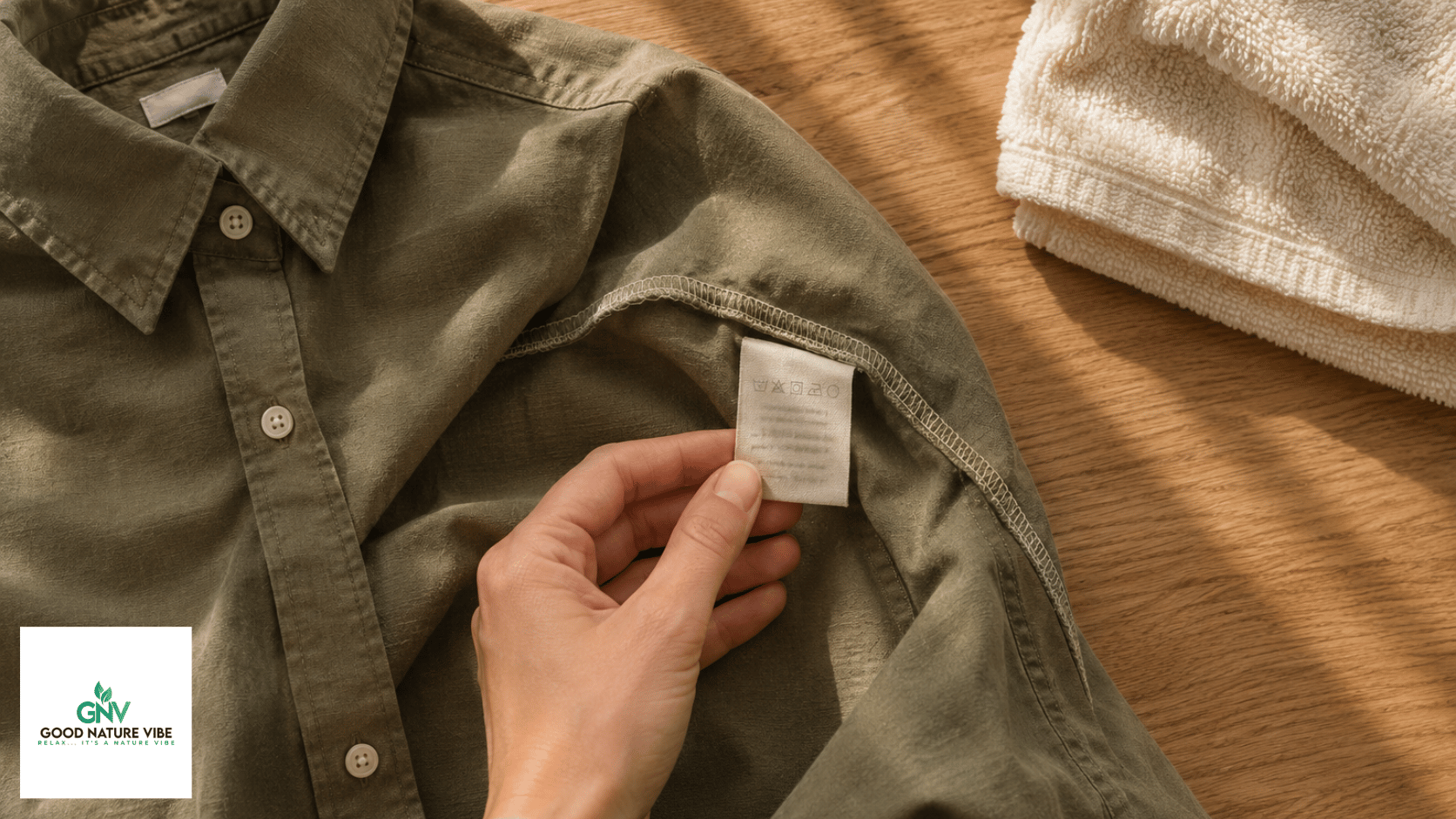
You’re about to wash a new shirt. Its label shows a wash tub with 30 inside it, a line underneath and a crossed-out triangle. The number tells you how warm the wash can be, the line calls for a mild programme and the crossed-out triangle means the shirt must not be bleached.
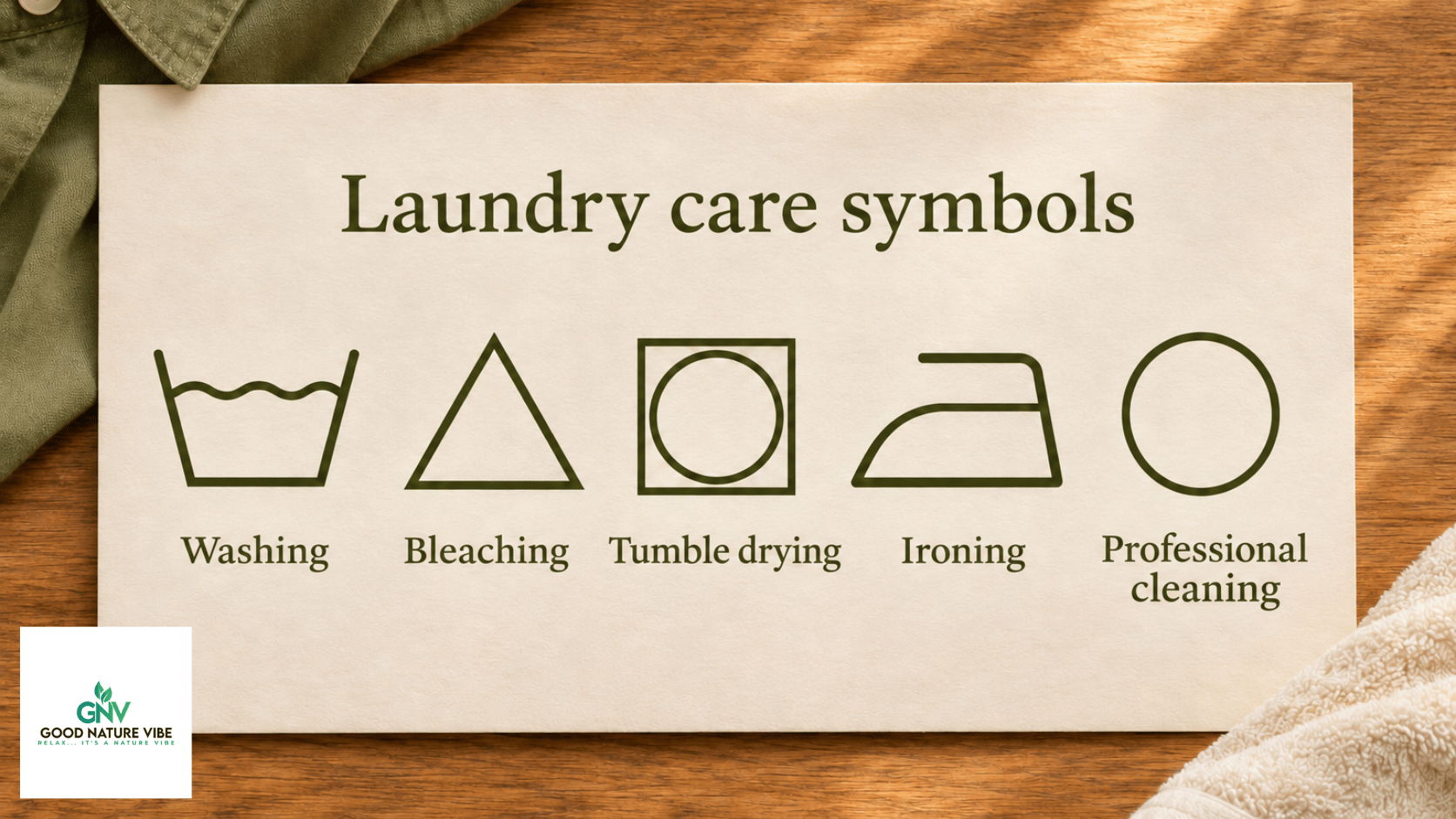
Start with the shape of each laundry symbol. The tub is for washing, the triangle is for bleaching, the square is for drying and the iron is for ironing. A circle on its own is for professional textile care. Then look at the numbers, dots, lines and crosses to see which treatment the garment can take.
It helps to check the whole label before you start. Two tops might suit the same wash programme and still need different drying methods. Check the drying symbols before selecting a combined wash-and-dry cycle.
Laundry care symbols at a glance
| Shape | What it covers | What to look for |
|---|---|---|
| Wash tub | Washing | A number gives the maximum temperature. Lines underneath indicate a mild or very mild process. |
| Triangle | Bleaching | An empty, striped or crossed-out triangle tells you which type of bleach, if any, is allowed. |
| Square | Drying | A circle inside the square refers to tumble drying. Lines in the square give natural-drying instructions. |
| Iron | Ironing | Dots indicate the heat setting. A crossed-out iron means do not iron. |
| Circle on its own | Professional textile care | Letters and any lines give instructions for a professional cleaner. |
Read each detail with the shape around it. A dot inside an iron refers to the heat of the iron. A dot inside a tumble dryer symbol refers to drying temperature. If a symbol is crossed out, the restriction applies to that process. A shirt with a crossed-out tumble dryer symbol may still be machine washable.
What do the numbers and lines on the washing symbol mean?
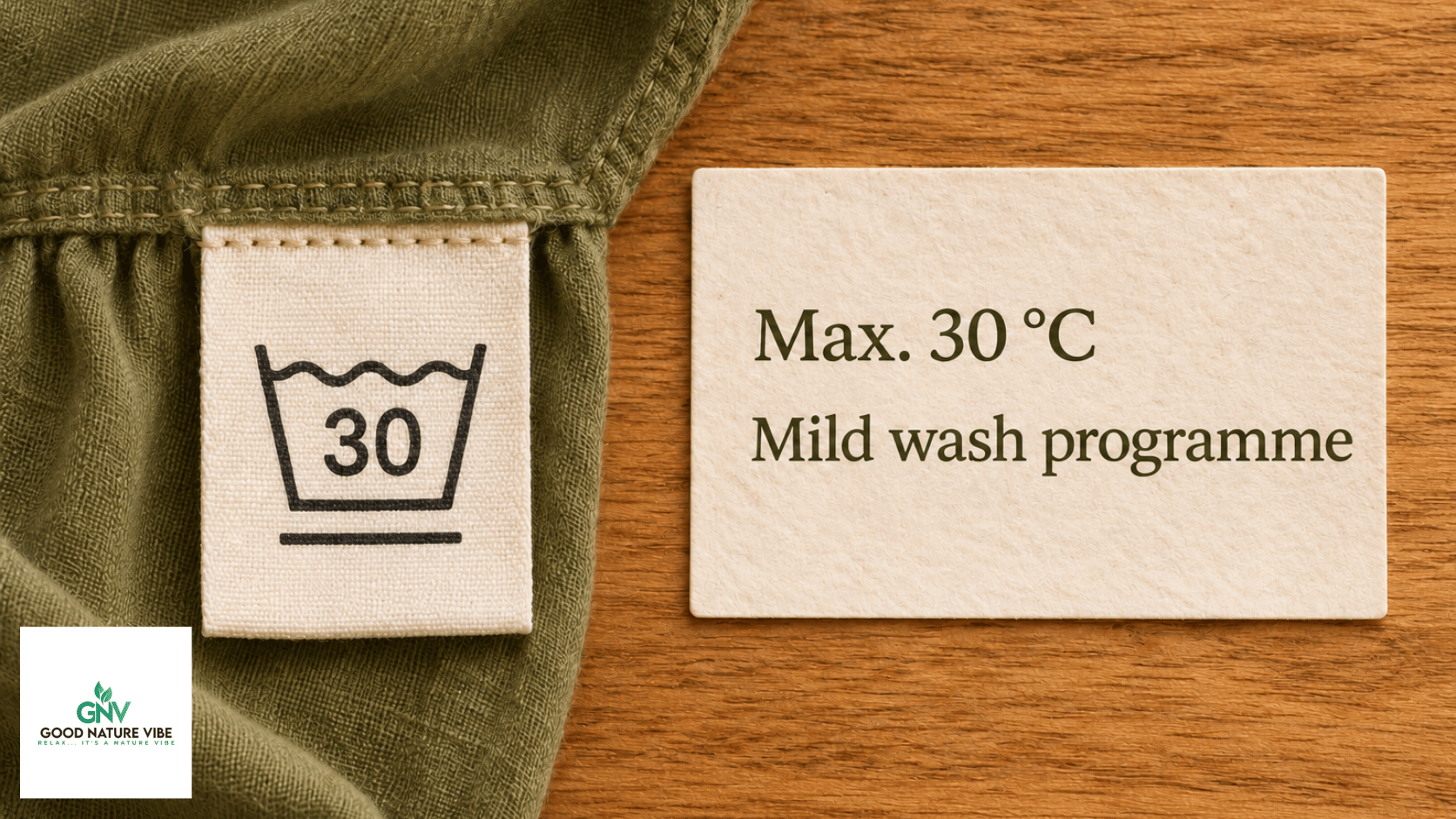
The number inside the tub gives the maximum wash temperature in degrees Celsius. A tub marked 40 allows a wash at up to 40°C, using the type of programme indicated by the rest of the symbol. A lower temperature can be suitable if it works for the garment, the amount of soiling and the detergent instructions.
Check underneath the tub before choosing the programme.
- No line means a normal wash process is allowed.
- One line calls for a mild wash with reduced mechanical action.
- Two lines call for a very mild wash.
- A hand inside the tub means hand wash. Check for any additional instructions on the label.
- A crossed-out tub means do not wash. Check the other symbols for the permitted treatment.
A 30°C symbol with one line underneath means a mild wash at no more than 30°C. If your machine offers 30°C on its Synthetics, Mixed and Quick programmes, use the manual to find the one that meets the mild-wash instruction. Programmes running at the same temperature can move the drum and spin the load differently.
Use the label for the garment as a whole. A plain polyester T-shirt and a pleated polyester blouse can have different care instructions. The lining, print, finish or construction may affect how the garment should be treated.
What does the triangle mean on a care label?
The triangle gives the bleaching instructions. Check it before adding bleach to a wash or applying a stain remover that contains bleach.
| Triangle symbol | Meaning |
|---|---|
| Empty triangle | Chlorine or oxygen bleach is allowed. |
| Triangle with two diagonal lines | Only non-chlorine oxygen bleach is allowed. |
| Crossed-out triangle | Do not bleach. Check detergent and stain remover labels for bleaching ingredients. |
Imagine a white shirt with a stain and a crossed-out triangle on its care label. Check the stain remover packaging before applying it. Some products contain an oxygen-based bleach, which the crossed-out triangle rules out too. If the garment permits bleaching, the care label tells you which type is allowed and the product packaging tells you how to apply it.
The same check is useful when using a powder or a laundry booster. Look at the packaging to see what it contains and whether it suits the fabric. Check the triangle even on white clothes, where a print or finish may have its own care requirements.
How to read tumble dryer symbols and air-drying instructions
A square with a circle inside is the tumble dryer symbol. One dot means low-temperature tumble drying. Two dots allow a normal tumble-drying process. If the symbol is crossed out, keep the garment out of the tumble dryer. If there are no air-drying instructions, check the manufacturer’s guidance before choosing how to dry a garment with pleats, a lining or a heavy knit.
A square with lines in it gives instructions for natural drying.
| Marking inside the square | What to do |
|---|---|
| One vertical line | Hang the garment to dry. |
| One horizontal line | Lay the garment flat to dry. |
| Two vertical lines | Hang the garment to drip dry. |
| Two horizontal lines | Lay the garment flat to drip dry. |
| A diagonal line in the top left corner | Dry in the shade, using the position shown by the other lines. |
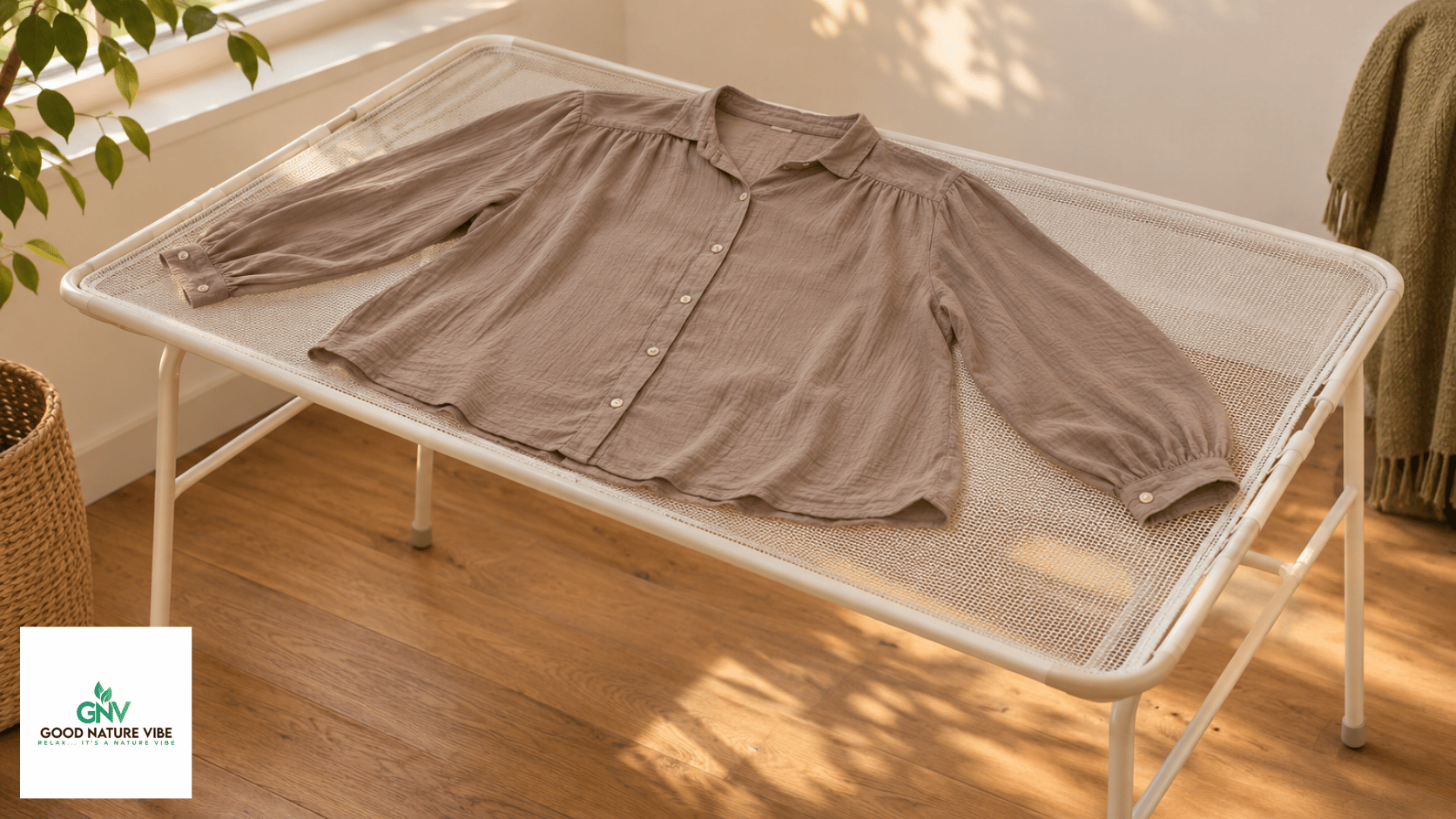
For a blouse marked dry flat, gently arrange it on a suitable flat rack so the sleeves and hem are supported. If the label also specifies shade, place the rack away from direct sunlight. For a garment marked line dry, hang it in a way that supports its shape.
If you use a washer-dryer, check whether the cycle runs straight from washing into drying. When the load includes clothes with crossed-out tumble dryer symbols, choose a wash-only cycle. You can then separate the garments for drying.
What do the dots in ironing symbols mean?
The dots show the permitted heat level. One dot indicates low heat, two dots indicate medium heat and three dots indicate high heat. A crossed-out iron means the garment should not be ironed.
Check the label for additional instructions about steam, prints or ironing on the reverse. If your iron uses fabric names on its dial, its manual can help you match those settings to the number of dots. For a printed T-shirt, read any separate direction about the print before you start.
What does a circle on its own mean?
A circle without a square around it is for professional textile care. Letters such as P, F and W tell a professional cleaner about the permitted process. A crossed-out empty circle means do not dry clean. The W in a circle refers to professional wet cleaning. A crossed-out circle containing a W rules out that treatment.
If the wash tub is crossed out and there is a professional care symbol alongside it, show the cleaner the whole label. They can use the instructions together with the condition and construction of the garment.
Read your own laundry care label in four steps
Find the label in the side seam, near the neckline or inside the waistband. Check both sides. You may find written instructions such as “wash separately”, “wash inside out” or “remove trim before washing”.
- Read the wash tub. Check whether the garment can be machine washed or needs hand washing. If it can go in the machine, note the number and any lines beneath the tub.
- Check the triangle. Read it before choosing any detergent or stain treatment that contains bleach.
- Check the square. Decide whether the garment can go in the tumble dryer or should dry on a line, flat or in the shade.
- Read the iron. Check whether ironing is allowed, count the dots and look for any extra instructions about steam or prints.
When washing several items together, compare their colours and care labels. Use the lowest temperature shown on the labels as your upper limit. Choose a programme whose wash action and spin are suitable for every item. If one piece needs a markedly different wash, give it a separate load. If the differences only concern drying, you can sort the items when they come out of the wash.
Example 1 · A polyester blouse
The label has 30 with one line underneath, a crossed-out triangle, a square with one horizontal line and an iron with one dot. Use a mild programme at no more than 30°C, skip bleach and lay the blouse flat to dry. If it needs ironing, use low heat and follow any separate steam instruction.
Our guide to microplastics from clothing during washing explains how fibres can come loose in the wash and why measurements vary.
Example 2 · A printed cotton T-shirt
The label shows 40 with no line underneath, a triangle with two diagonal lines, a crossed-out tumble dryer symbol and an iron with two dots. The T-shirt can take a normal wash at up to 40°C. If you use bleach, choose non-chlorine oxygen bleach. Air-dry the T-shirt and check for any written instructions about ironing the print.
Could you wash the T-shirt with the blouse? Yes, if their colours are compatible and a mild wash at no more than 30°C is suitable for how soiled the T-shirt is. After washing, lay the blouse flat and dry the T-shirt according to its own label.
If another garment has two lines under the tub, check whether the machine offers a suitable very mild programme. Before adding it to the load, compare that programme’s temperature and load limit with the other garments’ care instructions. Check the limit in the manual for the specific programme. The capacity printed on the machine may apply to a different cycle. If you cannot find settings that suit all the garments, wash them separately.
Frequently asked questions
What does one line under the 30°C washing symbol mean?
It means you should use a mild wash programme at no more than 30°C. Check your washing machine manual to find a programme that meets both instructions.
Can you wash clothes at a lower temperature than the care label shows?
Yes. The number in the wash tub is the maximum temperature. Choose a lower setting if it suits the garment, the level of soiling and the detergent instructions. Follow any lines underneath the tub as well.
What does the do not bleach symbol look like?
It is a triangle with a cross through it. Check your detergent and any stain remover to make sure they contain no bleach.
What should you do if the care label is missing or unreadable?
Look up the manufacturer’s care instructions for the exact garment using the product name or reference number. If you cannot find them and the garment is delicate, ask the manufacturer or a professional cleaner before washing it.
Good Nature Vibe
At Good Nature Vibe, we start with information you can check for yourself. In the laundry room, that’s the garment label, the washing machine manual and the directions on your detergent. If you also want to understand what the names and order of ingredients on a bathroom product tell you, see our guide to reading a cosmetic ingredient list.
For a broader look at how textile fibres fit into research on small plastic particles, see our guide to microplastics in water, food and air.
Conclusion
Before your next wash, pick up one garment you’re unsure about and look for the wash tub on its label. Use the tub to choose a temperature and programme, then check the triangle, square and iron for the remaining steps. If the label includes a professional care symbol, read it alongside the wash tub before deciding how to clean the garment.


