
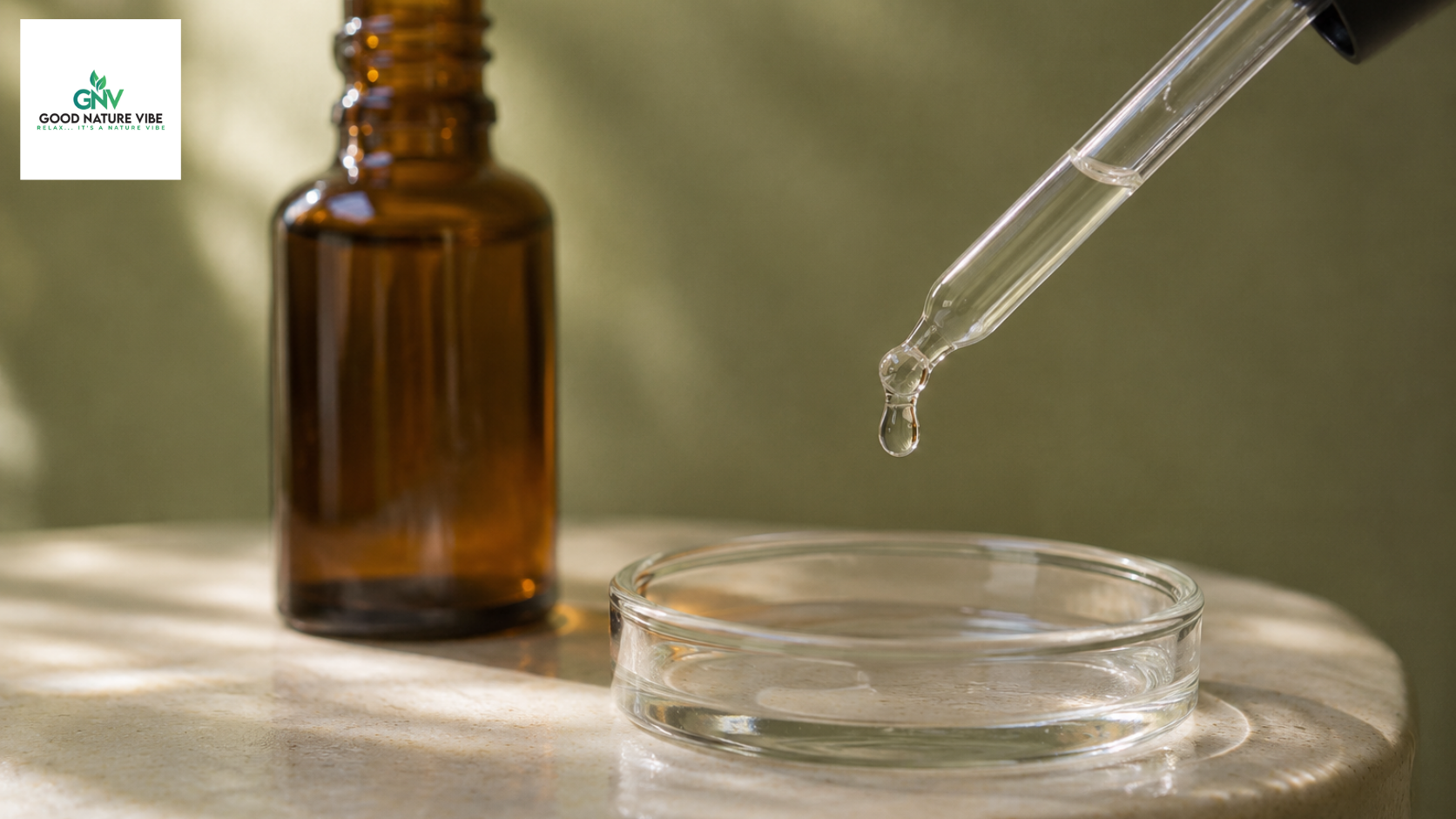
Squalane skincare products contain an oil-like ingredient used mainly as an emollient to help skin feel soft and smooth. Squalane appears in facial oils, serums and moisturisers, so its application depends on the complete product. It differs from squalene in chemical structure and resistance to oxidation. Neither an ingredient name nor its popularity guarantees a particular result.
Start with the ingredient list, product purpose and directions. This guide explains what squalane contributes, how to assess the research and how to introduce a product without building unnecessary steps into your routine.
What is squalane?
Squalane is a saturated hydrocarbon. The US Environmental Protection Agency’s 2020 assessment describes its formation through hydrogenation of squalene, a process that adds hydrogen.
On cosmetic ingredient lists, look for SQUALANE. An oil containing it may have a single declared ingredient or combine several ingredients. A cream can contain squalane too, alongside other components.
This distinction matters when deciding how to use a product. A cleanser containing squalane, a facial oil and a moisturiser are different finished products. Each has its own purpose and directions.
What does squalane do in skincare?
The COSMILE Europe ingredient database, consulted in 2026, lists squalane as an emollient, among other cosmetic functions. An emollient softens and smooths the skin.
That description gives a realistic starting point for discussing squalane benefits. It describes a cosmetic function, rather than promising to treat a condition or permanently change the skin.
The finished formula determines much of the experience. Other ingredients, texture, amount applied and your own response all matter when deciding whether a product suits you.
Is squalane a moisturiser?
Squalane is an ingredient; moisturiser describes a type of finished product. A moisturiser may combine ingredients with different roles, including squalane.
An oil and a cream therefore need separate consideration. Check their directions and intended purpose before replacing one with the other. A familiar name on both labels does not establish that they offer the same experience.
Our guide to choosing a face oil for dry skin explains which product details help with that comparison, including texture, fragrance information and directions.
Squalane vs squalene: what changes?
The names differ by one letter, but they refer to different substances.
Squalene is an unsaturated compound found in human sebum. Squalane is its saturated relative. Cosmetic Ingredient Review’s original 1982 safety report describes squalane as more resistant to oxidation than squalene.
| Feature | Squalane | Squalene |
|---|---|---|
| Ingredient name | SQUALANE | SQUALENE |
| Structure | Saturated | Unsaturated |
| Oxidation | Relatively more stable | More susceptible |
| Product decision | Check the complete formula | Check the complete formula |
Greater ingredient stability does not give every squalane product an unlimited shelf life. Packaging, other ingredients and storage instructions still apply.
Likewise, a finding about squalene is not automatically evidence about squalane. When reading a study, check the actual substance, formulation and route of application before connecting it with your skincare.
Where does squalane come from?
The United States Pharmacopeia’s 2019 monograph describes different production routes. These include hydrogenating squalene derived from fish oils and manufacture from a fermentation product of plant sugars.
COSMILE Europe also lists plant origins and describes obtaining squalane from olive oil. The ingredient name alone does not identify the source used for a particular bottle.
If plant origin or vegan suitability matters to you, look for an explicit statement about the exact product. Ask the supplier when the information is absent or ambiguous.
Does plant origin establish better performance?
A source declaration addresses origin. It does not demonstrate better cosmetic results, universal tolerance or a smaller environmental footprint across production and use.
Keep these questions separate when comparing products. For example, record the stated origin in one column and the evidence for a performance claim in another. Missing information should remain a question, rather than becoming an assumption.
What does the safety assessment establish?
Fiume and colleagues published a reassessment in 2023 for the Expert Panel for Cosmetic Ingredient Safety. The panel reaffirmed the safety of squalane and squalene within the cosmetic practices and concentrations described.
This addresses an ingredient-safety question. It does not establish that every squalane formula improves wrinkles, treats acne or repairs a damaged skin barrier.
Nor does it guarantee that an individual will never react to a finished product. Your bottle has a particular composition and intended application.
The paper declares sponsorship by Cosmetic Ingredient Review. That context belongs alongside its conclusion. A useful reading keeps the assessment’s purpose clear, instead of presenting it as a clinical efficacy trial.
Why a formula study cannot isolate squalane
An ingredient can appear in a successful study without being the ingredient whose effect the comparison measures.
Kato and colleagues’ 2010 trial involved 23 Japanese women over eight weeks. They compared a cream containing fullerene-C60 dissolved in squalane with a squalane-containing cream without fullerene-C60, applied to opposite sides of the face.
At eight weeks, the authors reported a statistically significant difference favouring the fullerene-containing cream for a wrinkle outcome (p < 0.05). They did not find a significant difference between creams for the skin roughness-area ratio.
Both sides received squalane. The comparison therefore does not isolate a benefit from squalane alone. The small group, particular formulations and short duration also limit wider conclusions.
Questions to ask about a percentage
Before accepting a numerical product claim, check:
- Was squalane tested alone or within a mixture?
- How many participants were included?
- What was the comparison treatment?
- Was the outcome measured or self-reported?
- How long did testing last?
- Is the tested formula the one being sold?
If a brand states only “clinically tested”, ask which report supports the particular statement. A percentage needs its method and comparison to become meaningful.
Read the product, not just the headline
Find the complete ingredient list and identify SQUALANE. Then read the intended application, directions, precautions and shelf-life information.
Our guide to understanding skincare ingredients on a cosmetic label explains how to examine the declared names alongside the product information.
A serum may contain several ingredients with their own directions. Do not assume instructions for a simple oil also apply to every serum with squalane.
What remains unknown?
Without additional information, the ingredient name does not tell you an exact concentration in a mixture, how the finished product was tested or how it will feel on your skin.
Compare the package you receive with the current product page. If they differ, ask which version applies to your purchase before relying on an online instruction or claim.

How to use squalane products
Use the following steps to organise your decision. The actual product directions determine the amount, frequency and permitted application areas.
1. Choose a practical purpose
Decide what you want to assess. Perhaps you want a different texture alongside your existing moisturiser, or want to compare two optional facial oils.
A question such as “Does this feel comfortable in my evening routine?” is clearer than expecting general skin improvement. It also leaves room to decide that an extra product is unnecessary.
2. Check amount and frequency
Follow the dose stated on the package. There is no universal drop count for every squalane oil, pump serum and cream.
Different dispensers deliver different amounts. If directions are unclear, ask the supplier how the product is intended to be applied. Avoid borrowing a dose from an unrelated bottle or social-media demonstration.
3. Try a small area first
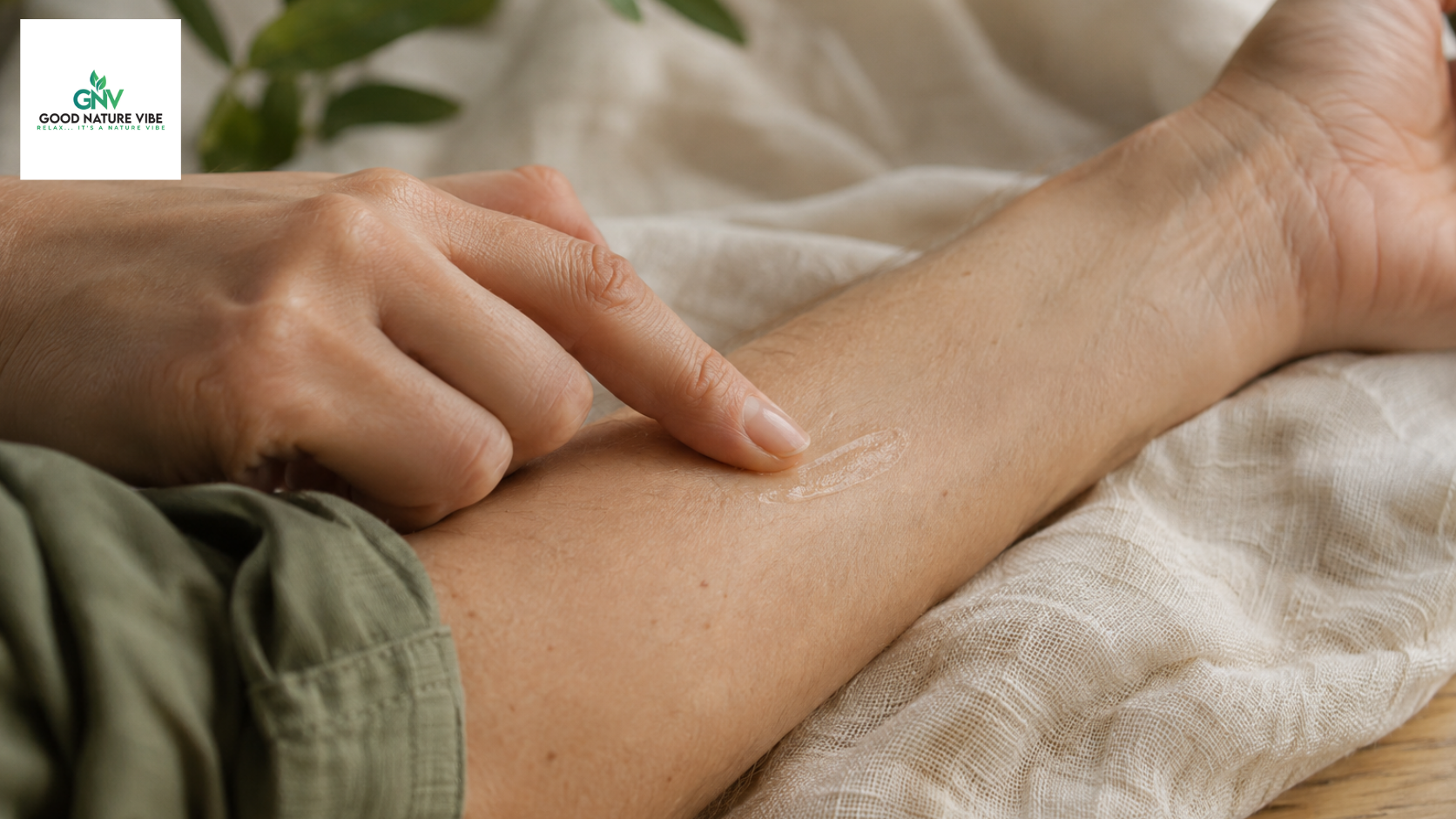
The American Academy of Dermatology’s guidance, consulted in 2026, recommends testing new skincare on a small area. Its general method uses a normal amount twice daily for seven to ten days, for example on the inner arm.
Follow the normal contact time: a rinse-off product should not be left on like a cream. Ask for advice if the testing method conflicts with the product directions. Home testing is not a medical allergy test and cannot exclude every later reaction.
If redness, itching or swelling develops, gently remove the product and stop using it. Seek medical advice for a severe or persistent reaction.
4. Introduce changes separately
As a practical observation method, postpone other new products while introducing this one. Note the product name, amount and frequency.
This makes your experience easier to describe if you need advice. It does not turn home observations into a controlled study or identify which ingredient caused a change.
5. Assess the whole experience
Consider how the product spreads, feels and fits with other products you already use. Record discomfort as well as preferences.
A photograph taken under different lighting is not a dependable measurement of skin change. Keep notes descriptive, rather than using them to diagnose a problem or calculate an improvement percentage.
Where does it fit in a routine?
There is no single position for every squalane-containing product. Product form comes first.
Cleveland Clinic’s 2025 routine guidance describes a separate facial oil as an optional step before moisturiser. Its basic morning order includes cleansing, moisturiser and sunscreen.
Read that general advice alongside the directions for your chosen products. If your moisturiser already contains squalane, it does not automatically require a separate oil layer.
An illustrative evening example
For suitable products with compatible directions:
- Cleanse according to your cleanser’s instructions.
- Apply an optional facial oil as directed.
- Use your moisturiser according to its directions.
This is an example, not a necessary routine for everyone. If you use prescribed skin medication, ask your clinician how new cosmetics should fit around it. Do not change a prescribed treatment to follow a generic layering diagram.
What about daytime?
Keep sun protection as its own consideration. A bottle of squalane oil is not a sunscreen, and softness or shine does not indicate protection from ultraviolet radiation.
Follow sunscreen directions rather than judging protection by how a routine feels. If an optional oil makes your routine uncomfortable or impractical, you can leave that step out.
What about oily or sensitive skin?
The ingredient name alone cannot establish suitability. Products highlighting squalane can differ in fragrance, other ingredients and texture.
A “non-comedogenic” statement cannot guarantee that you will not develop spots. Look for information about the finished product and monitor your response.
With sensitive skin, known reactions to other ingredients remain relevant even when squalane receives the headline attention. Check the entire list and introduce the product carefully.
Persistent skin concerns deserve appropriate advice. Do not select a cosmetic as a substitute for assessment or treatment simply because its main ingredient is familiar.
Storage and repeat purchases
Follow the package’s storage and durability instructions. Squalane’s relative stability does not override the requirements of the finished formula.
Keep the product name, batch details and purchase information if you may need to contact the supplier. These details help identify what you received.
When repurchasing, check the ingredient list again. A familiar product name does not prove that the composition has remained unchanged. Ask for clarification if the packaging and online description no longer agree.
Frequently asked questions
What does squalane do in skincare?
Squalane is used as an emollient to help skin feel soft and smooth. The overall result depends on the complete product.
What is the difference between squalane and squalene?
Squalane is the saturated relative of squalene and is relatively more resistant to oxidation. They are different ingredients.
How many drops of squalane should I use?
Follow your product’s directions. There is no universal drop count for every squalane oil, serum and cream.
Is squalane always plant-derived?
No. Different source materials and production routes exist. Check an origin statement for the specific product.
Can squalane replace my moisturiser?
Not automatically. Compare the complete products, their functions and their directions before replacing a step in your routine.
Good Nature Vibe: information to check
Good Nature Vibe’s English quality page, consulted in 2026, describes its approach to ingredient information, directions and product documentation.
It says analysis reports are shown only when available, relevant and traceable to the product or batch. Customers can request available documents using the product name and, where possible, batch number.
These practices do not mean every product has an independent report or contains squalane. Verify the actual ingredient list before connecting this article with a particular product.
Further ingredient and product-information articles are collected in the Natural Skincare category.
Conclusion
When choosing squalane skincare, consider its emollient role, the finished formula and application instructions. Squalane differs from squalene, and evidence about one formula does not automatically establish another product’s performance.
Start with what you already use, decide what an optional addition would contribute and introduce it carefully. A comfortable routine does not necessarily require another bottle.


